

 EN
EN
Kaixin, ein High-Tech-Unternehmen, das auf Forschung und Entwicklung, Produktion und Vertrieb von Polymer-Rohrleitungsventilen spezialisiert ist.
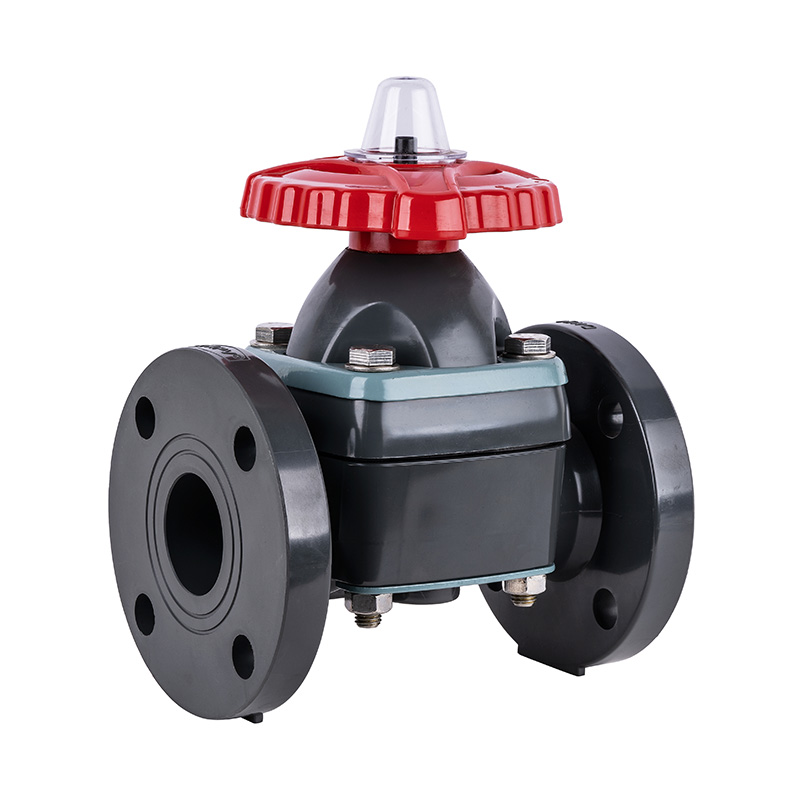
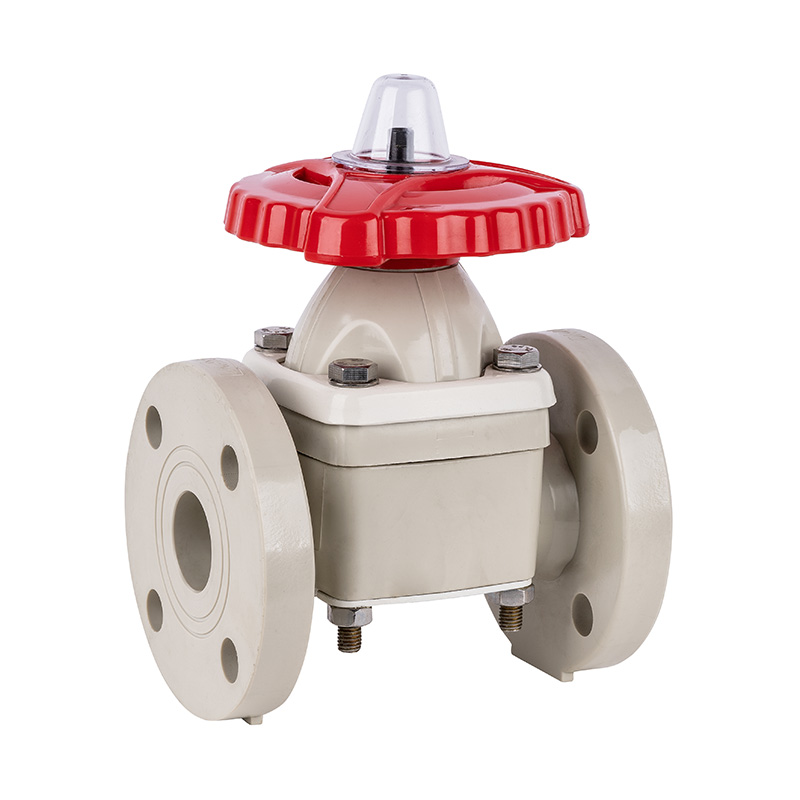
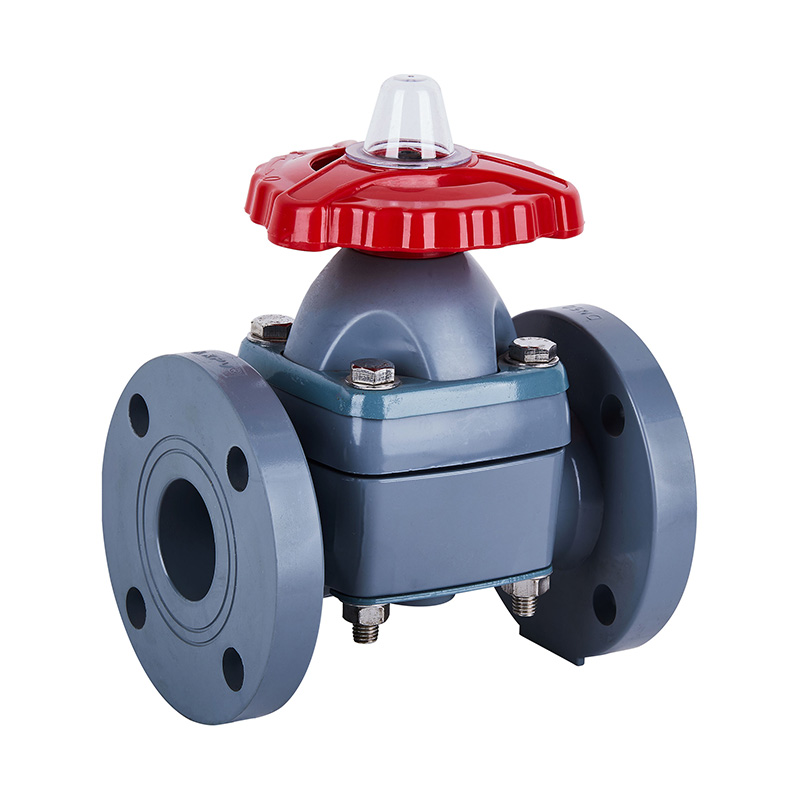
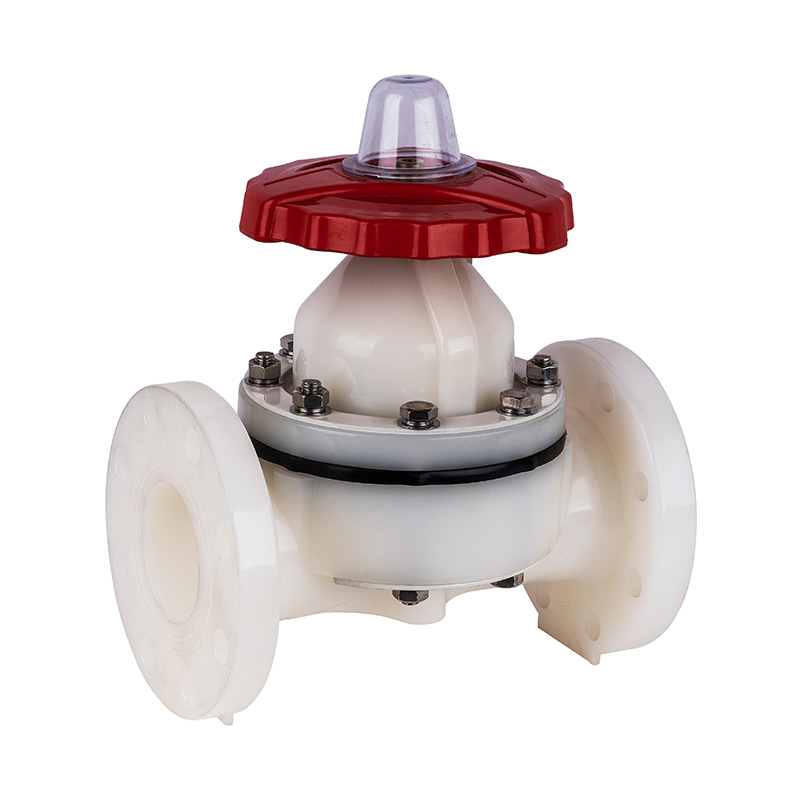
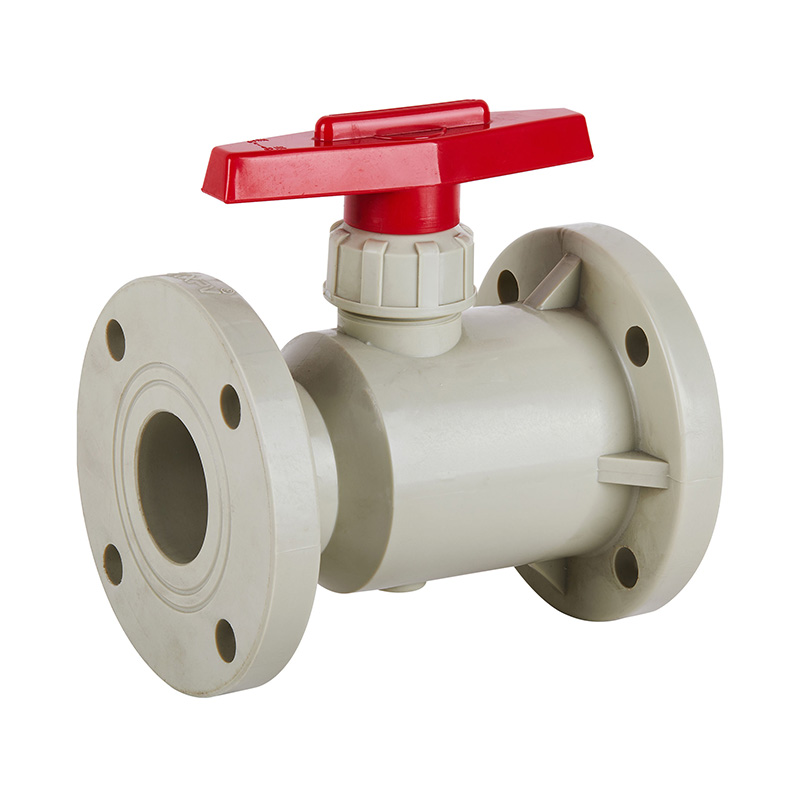
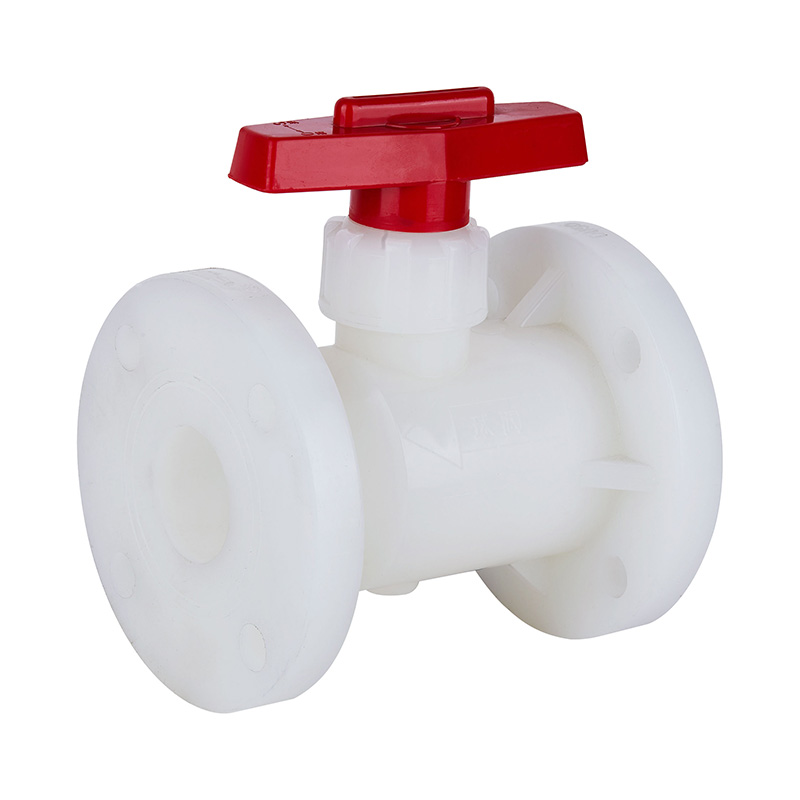
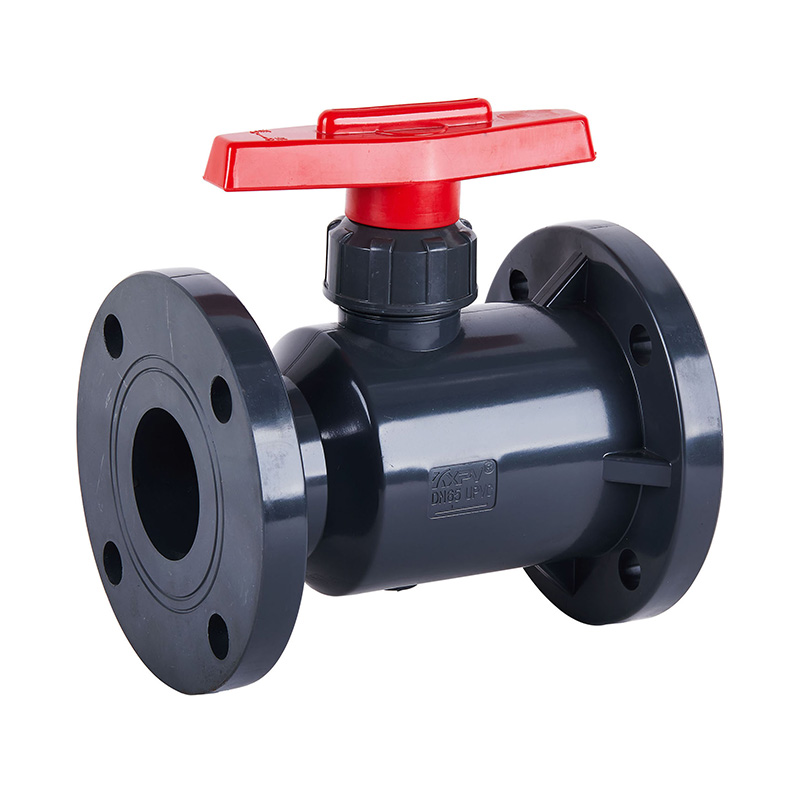
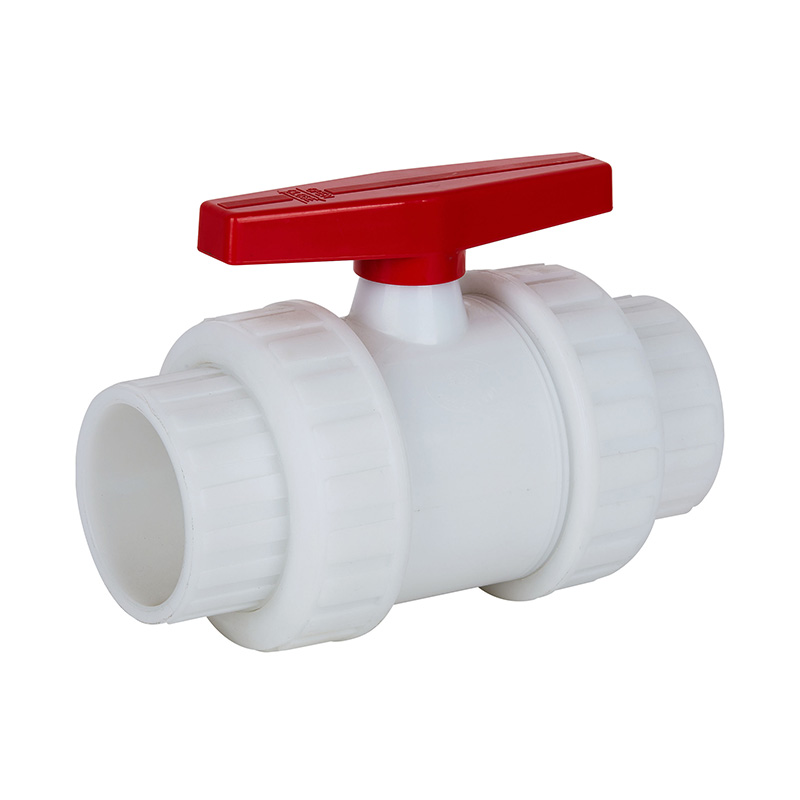
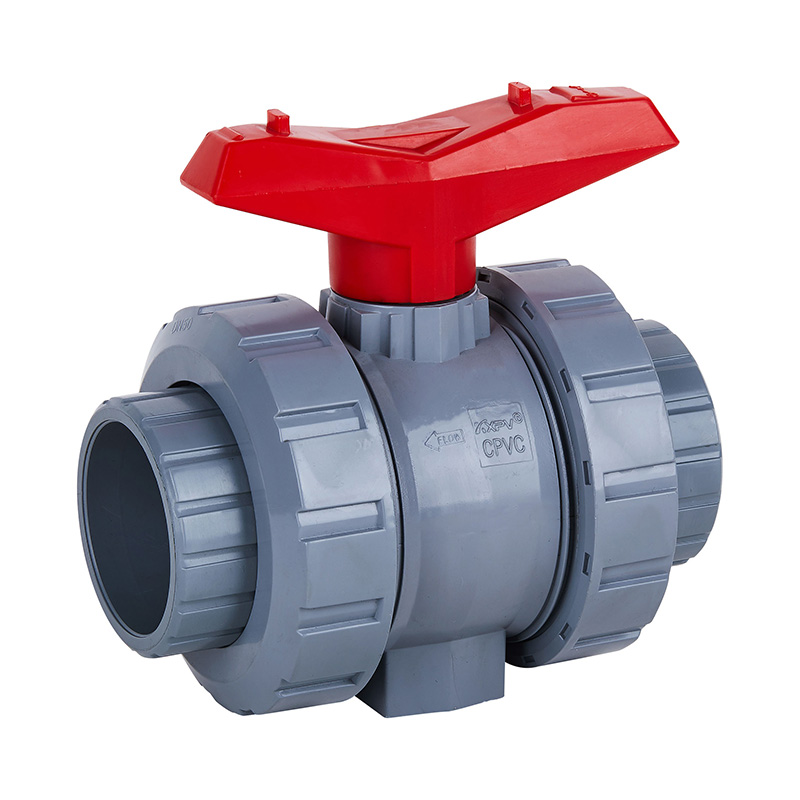
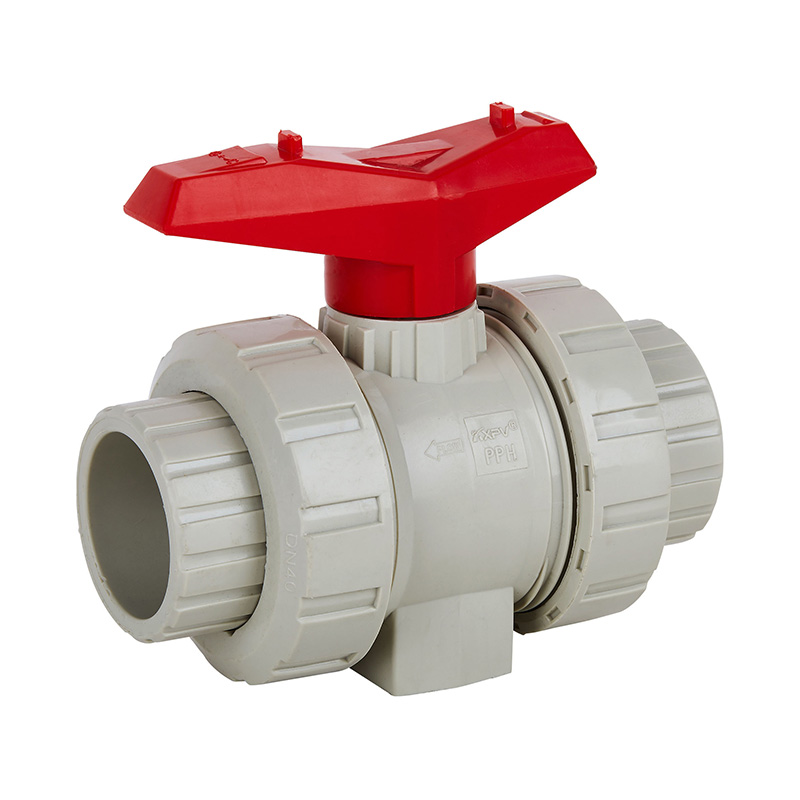
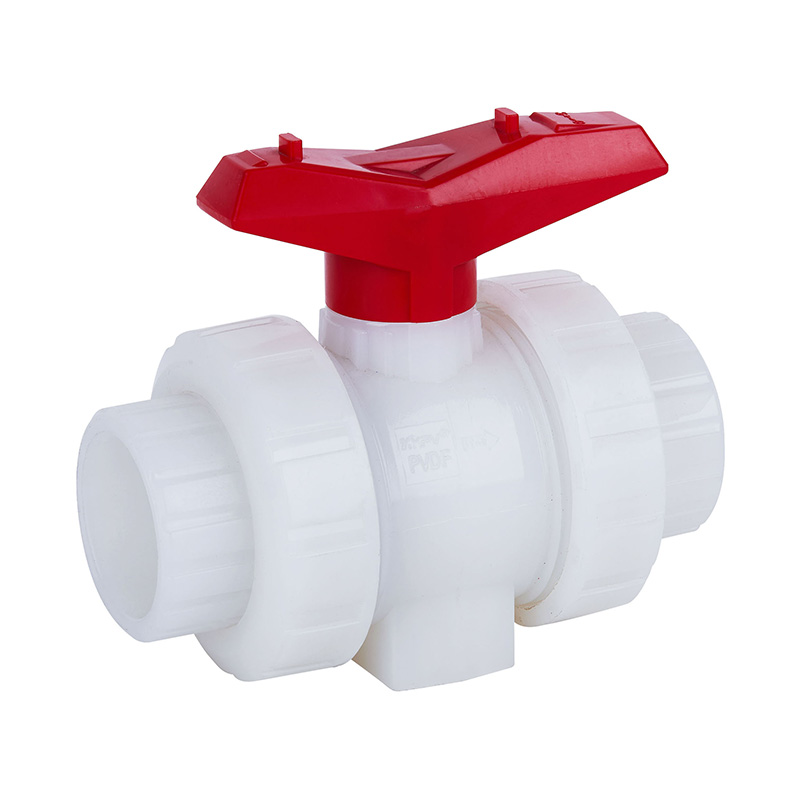
Die Bodenventil ist ein wesentlicher Bestandteil der Steuerung des Flusses von Flüssigkeiten oder Gasen innerhalb eines Systems. Es ermöglicht eine präzise Regulierung der Durchflussrate, die entscheidend ist, um sicherzustellen, dass Prozesse weder über- noch unterfüttert werden. In Systemen, in denen variable Durchflussraten erforderlich sind, kann das Bodenventil genau an die Anforderungen angepasst werden, um einen gleichbleibenden Betrieb und eine gleichbleibende Leistung zu ermöglichen. Diese präzise Steuerung des Flusses verringert die Wahrscheinlichkeit von Über- oder Unterläufen, die beide zu Ineffizienz, Verschwendung oder sogar Systemausfall führen können. In automatisierten Systemen kann das Bodenventil in Verbindung mit Sensoren die Durchflussrate dynamisch anpassen und so eine kontinuierliche Echtzeitregelung ermöglichen, die die Gesamtsystemeffizienz und Prozessstabilität steigert.
Die primary function of the Bottom Valve is its ability to prevent backflow, which could otherwise lead to contamination or disruption of the desired fluid flow direction. For example, in systems that handle sensitive liquids or gases, backflow could lead to cross-contamination, reducing the purity of the product or the efficiency of chemical reactions. By ensuring that liquids or gases flow only in the desired direction, the Bottom Valve helps maintain system integrity and safeguards against contamination. This backflow prevention is critical in industries such as chemical processing, food and beverage production, and pharmaceutical manufacturing, where contamination could lead to serious product defects or operational inefficiencies. By preventing backflow, the valve also protects downstream equipment, preventing costly damage and repair.
Die Bottom Valve is designed with high-quality seals and gaskets that ensure leak-proof performance even under varying pressure and temperature conditions. A tight seal is essential for maintaining optimal pressure within the system, which in turn helps in preserving the flow rate and system integrity. Leaks can cause pressure drops, leading to inefficient operation and increased energy consumption as pumps or compressors work harder to compensate for the loss. The leaking fluid may create safety hazards or environmental issues. By maintaining a secure seal, the Bottom Valve minimizes these risks, contributing to the overall energy efficiency of the system and ensuring that valuable resources (such as gases or chemicals) are not wasted.
Die design of the Bottom Valve ensures that the flow of fluids or gases remains unobstructed and smooth. This is crucial because any obstruction or irregularity in the flow can lead to turbulence, which increases friction and reduces the system’s efficiency. In systems with gravity-fed processes, the Bottom Valve optimizes the flow by using the weight of the fluid to regulate the discharge rate. This reduces the need for additional energy inputs, such as pumps or compressors, which would otherwise be required to maintain the flow. By ensuring that the flow pathway remains clear and streamlined, the Bottom Valve helps reduce pressure drops and keeps the system running at optimal performance, which in turn reduces energy consumption and enhances system efficiency.
Bei industriellen Anwendungen, bei denen viskose oder abrasive Flüssigkeiten zum Einsatz kommen, ist das Bodenventil so konzipiert, dass es solche Materialien effektiv handhabt, ohne zu verstopfen oder sich zu zersetzen. In der Öl- und Gas-, Chemie- oder Abwasseraufbereitungsindustrie können Flüssigkeiten beispielsweise Feststoffe oder Partikel enthalten, die andernfalls die Ventilkomponenten blockieren oder verschleißen könnten. Ein gut konzipiertes Bodenventil kann über Durchflusskontrollfunktionen und Filtersysteme verfügen, die verhindern, dass diese Partikel den Betrieb des Ventils behindern. Diese Funktionalität reduziert den Bedarf an häufiger Wartung und erhöht die Zuverlässigkeit des Systems. Bei hochviskosen Anwendungen kann das Ventil beispielsweise mit breiteren Strömungswegen oder speziell beschichteten Innenflächen konstruiert werden, um Verschleiß zu widerstehen und den Materialfluss zu verbessern, was letztendlich die Systemverfügbarkeit erhöht und die Wartungskosten senkt.
 Hauptsitz: No. 539 Bohai Road, Bezirk Beilun, Stadt Ningbo, Provinz Zhejiang, Volksrepublik China
 +86-18067123177